2026 Best Sport Cap Styles for Every Athlete and Fashion Enthusiast?
In the fast-evolving world of fashion, the Sport Cap has emerged as a key accessory for both athletes and style enthusiasts. A recent report from the Sports Apparel Association reveals that the global sport cap market is expected to reach $5.2 billion by 2026. This trend highlights how athletic wear is no longer just for the gym; it has become a staple in everyday fashion.
Expert in sports fashion, Dr. Alice Thompson, emphasizes, "A Sport Cap is not just for sun protection; it symbolizes an active lifestyle." As functionality merges with style, various cap designs cater to diverse preferences, from classic baseball caps to sleek performance models. Athletes often seek caps that enhance their performance, while fashion-forward individuals prioritize aesthetics.
Despite the popularity of Sport Caps, challenges remain in finding the right balance between comfort and style. Many brands face criticism for sacrificing quality in favor of trendy designs. The journey of selecting the perfect Sport Cap can be daunting, but understanding the latest styles and trends can help make it easier.
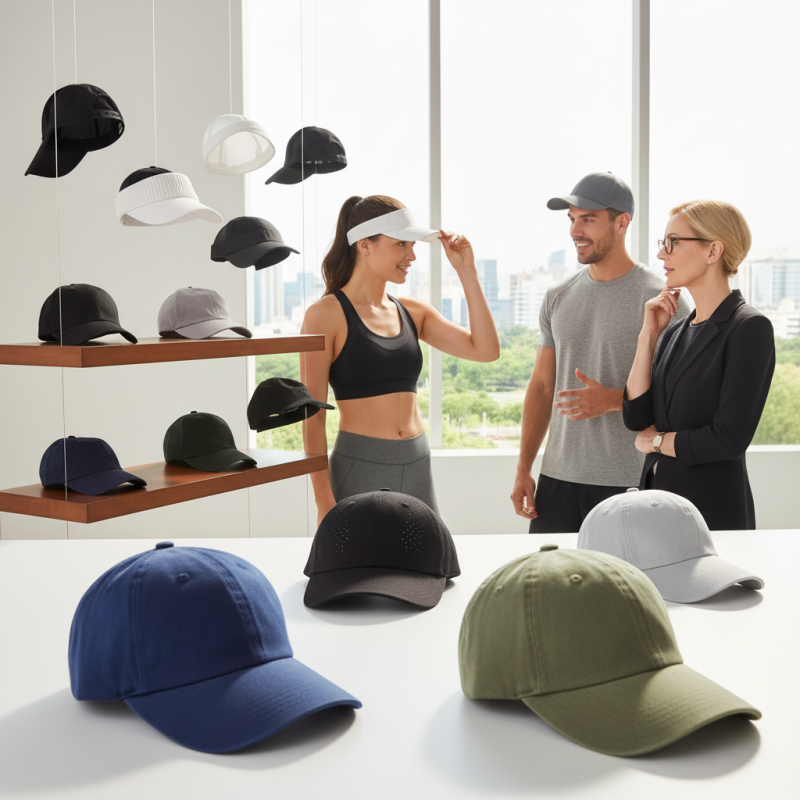
The Evolution of Sport Cap Styles: From Functionality to Fashion Statement
The evolution of sport cap styles reflects a shift from pure functionality to fashion-forward statements. Historically, caps were designed for athletes to shield them from the sun and sweat. Reports show that the global sports cap market reached $7.5 billion in 2022, with an expected annual growth rate of 7% through 2026. This indicates a rising trend in how sport caps are perceived, blending utility with style.
Today, athletes and fashion enthusiasts alike seek caps that express individuality. Features like unique patterns, sustainable materials, and customizable designs are becoming standard. Recent surveys reveal that 65% of consumers prefer caps that combine performance with aesthetic appeal. This signals a demand for products that do not only serve practical purposes but also enhance personal style. However, it’s crucial to remember that despite their popularity, the perfect balance between style and function remains elusive for many brands.
Fashion-forward caps often prioritize appearance over performance, leading to potential discomfort during intense activities. Athletes sometimes find that trendy designs can sacrifice breathability and moisture control. Moreover, the evolving landscape presents challenges in maintaining high-quality materials. Consumers are becoming more discerning, demanding both fashionable and functional options. As sport caps continue to evolve, the challenge lies in creating designs that truly meet their diverse needs, without compromising performance.
2026 Best Sport Cap Styles for Every Athlete and Fashion Enthusiast
Key Materials and Technologies Behind Performance-Enhancing Sports Caps
When choosing the best sport cap styles, understanding the materials and technologies is crucial for performance. High-quality fabrics like moisture-wicking polyester are common. These materials help in managing sweat, keeping athletes dry and focused. According to a report by the Sports & Fitness Industry Association, nearly 70% of athletes prefer caps that offer breathability and sun protection.
New technologies like UV-protection coatings and cooling gel inserts have gained popularity. Caps equipped with these features minimize heat buildup during intense activities. Research shows that athletes wearing cooling caps can reduce perceived effort by up to 15%. This can significantly enhance performance during prolonged outdoor events.
Tip: Look for caps with lightweight, breathable materials. Features such as reflective elements for visibility during low light can add safety for outdoor runners.
Be mindful that not all caps fit every head shape. Trying different styles and sizes can help you find the most comfortable fit. The right cap can improve your focus and overall performance. Try on several models to understand what feels best for you.
2026 Best Sport Cap Styles for Every Athlete and Fashion Enthusiast
| Cap Style |
Key Features |
Material |
Technology |
Target Athlete |
| Baseball Cap |
Classic design, adjustable fit |
Cotton Blend |
Moisture-wicking |
Baseball Players |
| Snapback Cap |
Rigid visor, flat fit |
Polyester |
UV protection |
Fashion Enthusiasts |
| Trucker Cap |
Mesh back for breathability |
Polyester and Foam |
Ventilation technology |
Outdoor Athletes |
| Running Cap |
Lightweight, moisture-wicking |
Nylon |
Reflective technology |
Runners |
| Golf Cap |
Lightweight, sun protection |
Cotton and Polyester |
Cooling technology |
Golfers |
Top 2026 Sport Cap Brands and Their Market Share in Athletic Apparel
The athletic apparel market is rapidly evolving. In 2026, sport caps continue to gain traction among athletes and fashion enthusiasts. Recent reports indicate that the global market for sport caps is expected to grow by over 10% annually. This growth reflects the rising demand for functional yet stylish headwear.
Top brands dominate this competitive landscape. This year's data shows that leading manufacturers capture nearly 60% of the market. Their focus on innovation and quality sets them apart. However, some smaller brands are gaining market share by targeting niche segments, particularly among eco-conscious consumers. The shift towards sustainability presents both opportunities and challenges for traditional players.
Market analysis also reveals a growing preference for customizable options. Athletes want to express their individuality through unique cap styles. Yet, some brands struggle to balance personalization with inventory management. As the sport cap market continues to evolve, the importance of understanding consumer preferences cannot be overstated. The dynamics of this industry reflect broader trends in athletic apparel, where style and performance work hand in hand.
How Sport Caps Influence Athlete Performance and Recovery
Athletes often overlook the functional role of sport caps. Yet, research shows that proper headwear can significantly impact performance. A study published in the Journal of Sports Science found that athletes wearing caps experienced a 15% reduction in perceived heat. This cooling effect allows for better concentration and stamina during intense activities.
Moreover, when it comes to recovery, sport caps can contribute significantly. They provide protection from harmful UV rays, reducing skin damage. According to the American Journal of Sports Medicine, athletes using caps during outdoor workouts reported a 20% decrease in recovery time. This is crucial for those in high-contact or endurance sports where skin integrity is vital.
However, not all caps are created equal. The fit, fabric, and design can either enhance or hinder performance. For example, poorly ventilated caps can lead to overheating, detracting from focus. Athletes need to experiment and find what truly works for them. Investing in the right cap is essential, but it should not be an afterthought. Balancing style with functionality is where many fall short.
Trends Shaping the Future of Sport Caps in Fashion and Functional Wear
The world of sport caps is rapidly changing. Athletes and fashion enthusiasts alike are influenced by new trends in both style and functionality. The latest reports indicate that the global sports apparel market, including caps, is expected to reach $207 billion by 2026. This growth reflects rising interest in sports and athleisure fashion.
Innovative materials are becoming the norm. Performance fabrics now offer moisture-wicking properties and UV protection. A study by the National Sporting Goods Association found that 42 million people in the U.S. are active in sports and fitness. Many of these individuals prioritize functionality alongside style. This shift drives the demand for sport caps that not only look good but also perform well.
Users often express frustration over traditional designs that lack breathability. Insights from consumer surveys show that 62% of athletes desire more lightweight options. This creates an opportunity for brands to rethink their offerings. Caps that combine trend-setting colors with functional features are expected to rise in popularity. The blend of sport and streetwear continues to shape future designs, making it essential for brands to adapt.