How to Choose the Perfect Recycled Beanie for Eco Friendly Fashion?
In the dynamic world of eco-friendly fashion, selecting the right Recycled Beanie can be both a challenge and an opportunity. As consumer awareness grows, the demand for sustainable accessories has surged. According to a recent report by the Global Fashion Agenda, over 60% of consumers are now prioritizing environmentally conscious products.
Industry expert Dr. Emily Greene emphasizes the importance of making informed choices. She states, “Choosing a Recycled Beanie not only reflects personal style but also showcases a commitment to sustainability.” This insight highlights the deeper implications behind our fashion choices. A well-chosen beanie can symbolize a shift towards more responsible consumption.
Yet, navigating the options requires more than just style considerations. Many brands claim to be eco-friendly, but the actual impact varies widely. Consumers must reflect on materials, production processes, and brand values. In this complex landscape, making an informed decision about a Recycled Beanie can be daunting yet rewarding. Ultimately, it is more than a fashion statement; it is a step toward a more sustainable future.
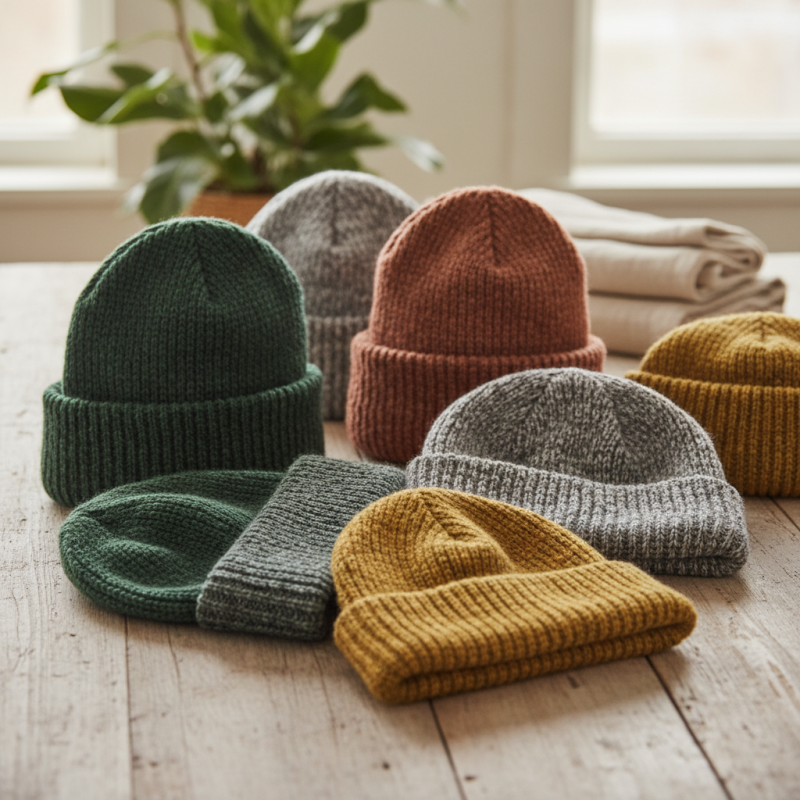
Understanding the Environmental Impact of Fashion Choices
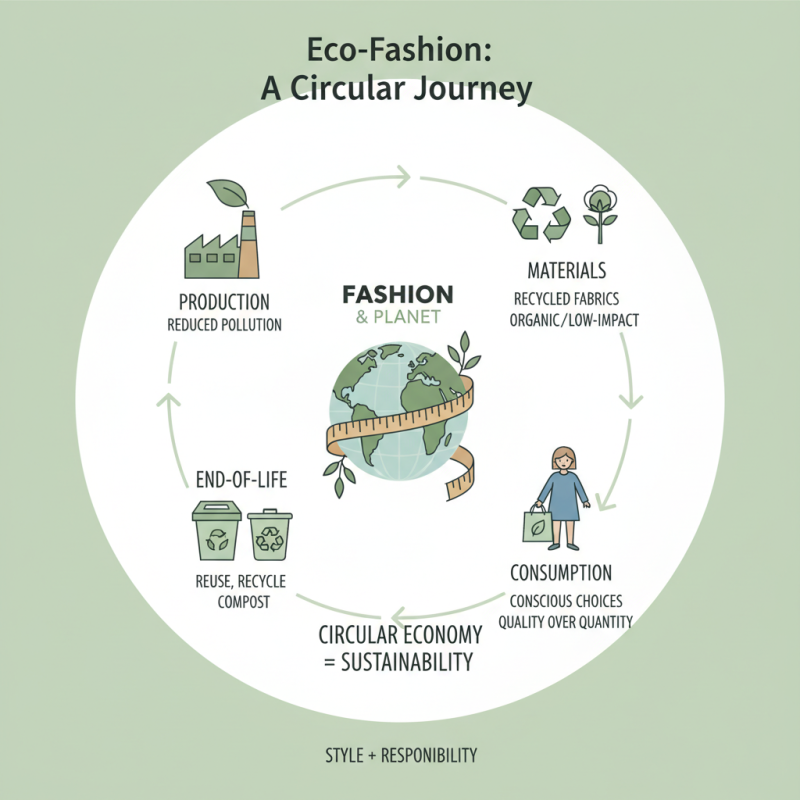
The fashion industry significantly influences our environment. From production to disposal, every step affects the planet. Choosing eco-friendly fashion is crucial. It's not just about style; it's about responsibility. Understanding the materials used in clothing is essential. Recycled fabrics, like those used in beanies, reduce waste. They provide a second life to discarded materials. This choice supports a circular economy, which is vital for sustainability.
Often, consumers overlook the environmental cost of fast fashion. The pollution, water usage, and waste accumulation are staggering. An eco-friendly beanie made from recycled fibers minimizes this impact. Each beanie saves resources while offering warmth and style. However, it’s essential to check the sourcing of materials. Not all recycled fabrics are created equal. This requires careful research, leading to informed decisions.
Beyond materials, consider the beanie's lifespan. A well-made product lasts longer, reducing the need for replacements. It feels good to make responsible choices, but perfection is elusive. There are always new challenges in sustainable fashion. Each choice shapes the industry and our planet. Reflecting on our habits can drive positive change. Every small action counts in the pursuit of eco-friendly fashion.
Key Materials Used in Recycled Beanies and Their Benefits
When selecting a recycled beanie, the materials used are crucial. Many beanies are crafted from post-consumer plastic bottles. This process transforms waste into wear. Recycling keeps plastic out of landfills. It also reduces the need for new resources.
Another popular material is reclaimed wool. Wool is renewable and biodegradable. It offers warmth without the environmental impact of new wool production. However, sourcing reclaimed wool can be tricky. Not all products are labeled, which can lead to confusion about sustainability.
Synthetic fibers, like recycled polyester, are commonly found too. They offer durability and softness. But they may shed microplastics into the environment. This is a concern for eco-conscious consumers. Balancing comfort, durability, and eco-friendliness can be a challenge. Examine the labels carefully. Aim for options that minimize environmental harm while keeping you stylish.
Factors to Consider When Choosing a Recycled Beanie
When considering a recycled beanie, material is key. Look for soft and warm fabrics like recycled polyester or organic cotton. These materials not only keep you cozy but also help reduce waste. Check for labels that specify the percentage of recycled content. This is an essential step in ensuring you are making a sustainable choice.
Another factor to consider is style. While trendy designs can be appealing, think about functionality too. Does the beanie cover your ears well? Is it versatile enough for different outfits? Sometimes, opting for a simpler design can be both stylish and eco-friendly. Color choices also matter; darker colors may hide stains better, extending the beanie’s lifespan.
Fit is crucial as well. A loose beanie can easily fall off, while a tight one might cause discomfort. Try on different sizes if possible. Some brands use one-size-fits-all, which can be hit or miss. Reflect on your past choices. Have you opted for looks over practicality before? Balancing beauty and function is often not straightforward. Aim for a beanie that meets both.
Recycled Beanie Material Preference Survey
Evaluating Style and Functionality in Eco-Friendly Headwear
When choosing an eco-friendly beanie, both style and functionality are key. Look for materials like recycled polyester or organic cotton. These fabrics are sustainable and help reduce waste. But don’t just focus on fabric; consider how the beanie fits your personal style. A beanie should complement your wardrobe, not clash with it.
Think about the seasons too. Does the beanie provide warmth without being bulky? Look for options that offer versatility for various climates. Some designs may look trendy but lack warmth. Others might be functional but miss the mark on style. A good balance is essential.
While exploring your options, reflect on your choices. Are you supporting sustainable practices? It’s easy to be swayed by aesthetics alone. Take the time to understand the impact of your decisions. An eco-friendly beanie should make you feel good about your style and your contribution to the planet.
Where to Find High-Quality Recycled Beanies for Sustainable Fashion
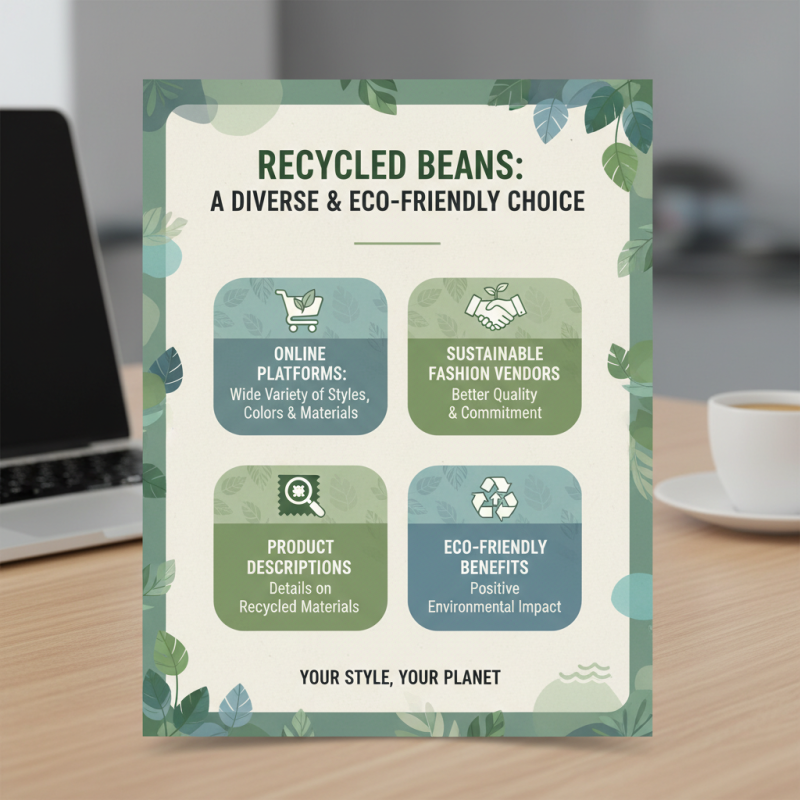
When searching for high-quality recycled beanies, your options are diverse. Many online platforms now offer a variety of styles, colors, and materials. Look for vendors who specialize in sustainable fashion. Their commitment often ensures better quality. Check the product descriptions for details about the recycled materials used. This gives you insight into its eco-friendly benefits.
Local thrift shops can be treasure troves too. You might find unique pieces that tell a story. Explore second-hand goods while supporting your community. However, keep an eye out for wear and tear. Sometimes, what seems like a great find needs some repairs.
Attend eco-fashion markets or fairs. These events often showcase innovative designs made from recycled textiles. Meeting the creators can add depth to your purchase. Don’t hesitate to ask questions about their practices. It’s a chance to reflect on what sustainability means to you. Incorporating these beanies into your wardrobe can be both stylish and responsible.