How to Choose the Best Recycled Beanie for Your Needs?
Choosing the right recycled beanie can feel overwhelming. With so many options available, it's crucial to make an informed decision. A recycled beanie not only provides warmth but also supports sustainable practices. You might wonder, how do you pick the best one for your needs?
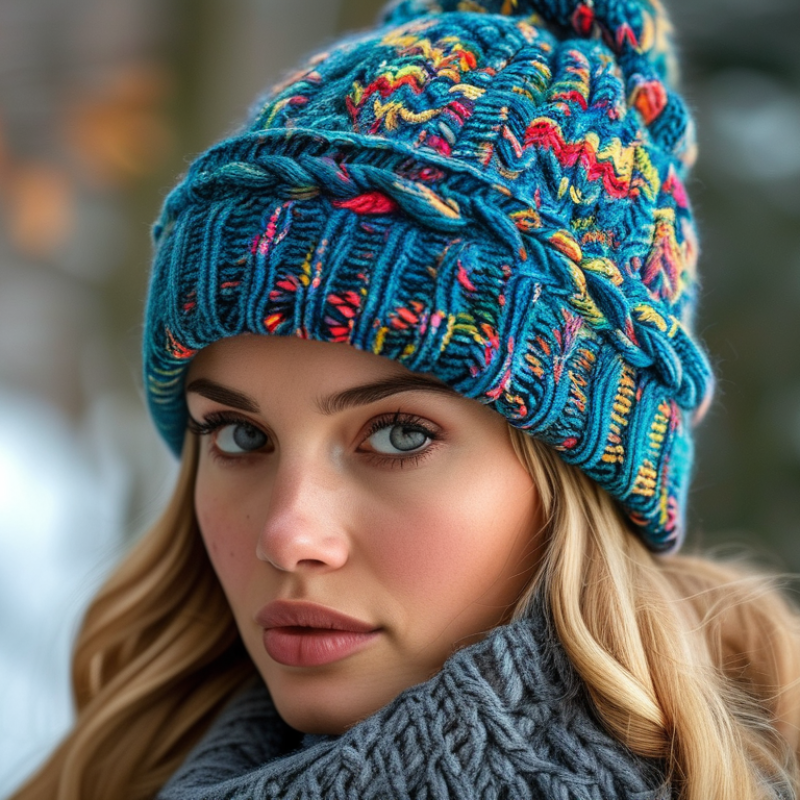
When selecting a recycled beanie, consider the materials. Look for blends that include high-quality recycled fibers. These are often softer and more durable. The color and style also matter, reflecting your personal taste. Some brands offer vibrant designs, while others focus on classic looks.
Think about the purpose of your beanie. Is it for casual outings or outdoor activities? Your choice will impact comfort and style. Lastly, don’t shy away from brands that are transparent about their production process. Such companies often provide better insights into product quality and environmental impact, enhancing your shopping experience.
Understanding the Benefits of Recycled Beanies for Eco-Friendly Fashion
Recycled beanies are a great choice for eco-friendly fashion. They contribute to sustainability by reducing waste and the need for new materials. Made from recycled fibers, these beanies help decrease the environmental impact of the textile industry. Choosing one means supporting efforts to reduce pollution and conserve resources.
Eco-friendly fashion often comes with a unique story. Many beanies are made from post-consumer plastic bottles, transforming waste into stylish accessories. When you wear a recycled beanie, you’re not just keeping warm—you're making a statement about sustainability. This choice can inspire others to consider eco-friendly options in their wardrobes.
However, not all recycled beanies are created equal. Some may use cheaper materials that compromise warmth or comfort. It’s important to research the manufacturing processes and ensure transparency. Look for brands that prioritize ethical practices. Reflecting on your needs will help find the best option. Each small choice contributes to a larger movement toward sustainability in fashion.
Benefits of Recycled Beanies for Eco-Friendly Fashion
Identifying Your Needs: Warmth, Style, and Comfort in Beanie Selection
When selecting a recycled beanie, it’s essential to focus on warmth, style, and comfort. Warmth is often the primary concern during colder months. According to the Outdoor Industry Association, beanies made from insulated materials can retain body heat more effectively, keeping you cozy. Look for fabrics like fleece or merino wool, which are proven to provide excellent warmth without sacrificing breathability.
Style also plays a critical role. A beanie should not only serve a functional purpose but also complement your wardrobe. Opt for colors and patterns that resonate with your personal style. Research suggests neutral colors can offer versatility, while bold designs can make a statement. Remember that trends can change rapidly, so think about timeless looks that will remain in fashion.
Comfort is perhaps the most subjective factor. What feels comfortable to one might not for another. Consider trying different materials against your skin to see what feels best. A snug fit is essential; it helps to keep the beanie in place without causing discomfort.
Tips: Always check the return policy before purchasing. This allows you to try on the beanie in different conditions. Also, explore user reviews to gauge how well the material holds up over time. With recycled beanies, ensure you’re choosing options that maintain their shape and elasticity after washing.
Evaluating Materials: Types of Recycled Fabrics Used in Beanies
When choosing a recycled beanie, materials play a crucial role. Various recycled fabrics have emerged, each with unique benefits and drawbacks.
Polyester, for instance, is often made from recycled plastic bottles. Reports indicate that using recycled polyester can reduce energy consumption by up to 60% compared to virgin materials. This makes it a popular choice for those seeking sustainability.
Wool is another option. Recycled wool beanies can offer warmth without the environmental cost of new wool production. However, sourcing and processing can sometimes yield inconsistent quality. Additionally, blended fabrics combine materials like cotton and recycled synthetics, providing versatility. The downside? Blends may affect the biodegradability of the final product.
While these materials sound promising, they are not without flaws. Recycled fabrics can vary widely in performance and feel. Not every recycled beanie offers the same warmth or comfort.
Consumers should consider fabrication methods and testing standards. Reports indicate that recycling processes may not eliminate all harmful chemical residues. This inconsistency in quality raises questions about the overall safety of recycled items.
Being informed and critical can lead to a better choice.
Assessing Size and Fit: Choosing the Perfect Beanie for Your Head Shape
When choosing a recycled beanie, fit is crucial. The right size ensures comfort and warmth. A beanie that is too tight may leave marks on your forehead. Conversely, one that is too loose can slip off easily.
Consider your head shape. People have various head shapes with different curvatures. If you have a round head, opt for a beanie that is taller. For oval or long-shaped heads, wider and shallower styles may work best.
Tip: Measure your head. Use a flexible tape measure. Wrap it around your forehead just above the ears. This gives you a baseline for size selection.
Materials matter too. Ensure the fabric is soft yet durable. Recycled fibers often offer great warmth without bulk. However, some recycled materials may feel rough. Always check product reviews for feedback on texture and stretch.
Tip: Try before you buy. If possible, test the beanie to ensure a good fit and comfort. Look for reliable sources that offer a return policy. Your choice should make you feel good, both about the style and your sustainable decision.
Exploring Brands: Top Manufacturers of Quality Recycled Beanies to Consider
When looking for quality recycled beanies, brands play a crucial role. Numerous manufacturers prioritize sustainability. These brands often use post-consumer materials. This not only reduces waste but also provides unique styles. Selecting a beanie should involve understanding the company’s commitment to eco-friendly practices.
Some top manufacturers focus on ethical production. They ensure fair labor practices while making their products. This accountability adds value to the beanies. A well-made recycled beanie can last through many winters. It is wise to research the materials used, ensuring they are genuinely recycled. Look for certifications that demonstrate eco-responsibility.
Not all brands are transparent about their sourcing. This can lead to confusion for consumers. It is essential to ask questions about the manufacturing process. Some brands may highlight sustainability but lack consistency. Finding the right beanie may take time and effort. But investing in a quality product is worth it in the end.
How to Choose the Best Recycled Beanie for Your Needs?
| Criteria |
Description |
Average Price |
Material Used |
Sustainability Certification |
| Warmth |
Beanies designed for cold weather with insulation. |
$25 - $40 |
Recycled Wool |
Global Recycle Standard |
| Style |
Variety of styles including slouchy, fitted, and beanie caps. |
$20 - $35 |
Recycled Polyester |
OEKO-TEX Standard 100 |
| Comfort |
Soft materials that provide a comfortable fit without itching. |
$30 - $50 |
Recycled Blend (Wool & Acrylic) |
Fair Trade Certified |
| Durability |
High-quality fabric that withstands daily wear and tear. |
$15 - $45 |
Recycled Acrylic |
BlueSign Approved |
| Eco-Friendliness |
Made from sustainable materials and processes. |
$20 - $30 |
Recycled Cotton |
Made in a Zero Waste Facility |