Top 10 Kitchen Gloves for Global Buyers in 2026?
In recent years, the demand for Kitchen Gloves has significantly risen, driven by growing awareness of kitchen safety and hygiene. According to the latest report from the Global Kitchen Safety Association, the market for kitchen gloves is expected to reach $1.5 billion by 2026. This growth reflects an increasing focus on food safety across the culinary industry. Experts emphasize that the right kitchen gloves are essential for preventing injuries and contamination.
David Miller, a renowned kitchen safety expert, states, "Quality kitchen gloves are a vital yet often overlooked aspect of food preparation." His insights highlight the importance of choosing gloves that provide both protection and dexterity. The available options vary widely in materials, from latex to silicone, each serving different needs in the kitchen environment. This diversity can create confusion for consumers.
While many brands boast top features, it’s crucial to critically assess their claims and real-world performance. A glove may appear durable but could fail under high temperatures or while handling sharp objects. Consumers must prioritize reliable information to make informed choices in a crowded market. The challenge remains to select the best kitchen gloves that not only meet safety standards but also enhance the cooking experience.
Overview of the Kitchen Glove Market for Global Buyers in 2026
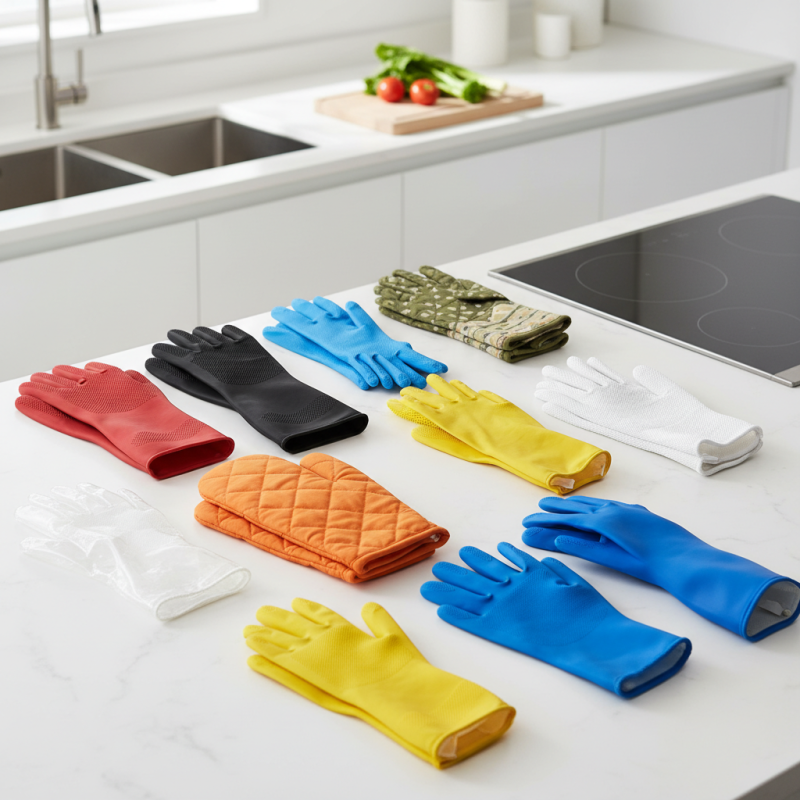
The kitchen glove market is evolving. In 2026, buyers will seek gloves that offer both protection and comfort. Sustainability will play a crucial role in purchasing decisions. Eco-friendly materials are gaining traction. Consumers are becoming more aware of their environmental impact. They prefer products that reduce waste and support eco-conscious brands.
Safety features are also significant. Heat resistance and cut resistance are key attributes. Buyers want reliable gloves for food preparation and cooking. They value durability as well, wanting products that last through multiple uses. However, some gloves may not meet these expectations, leading to potential mishaps in the kitchen. This highlights the importance of thorough research before making a purchase.
Design and usability are changing factors too. A variety of colors and patterns will appeal to diverse tastes. Comfort is no longer an afterthought; it has become essential. Gloves that fit well and allow for dexterity will be prioritized. Buyers might struggle to find options that balance style and function effectively. User reviews will be pivotal in guiding purchasing decisions, as feedback reveals both strengths and weaknesses of various products.
Key Features to Consider When Choosing Kitchen Gloves
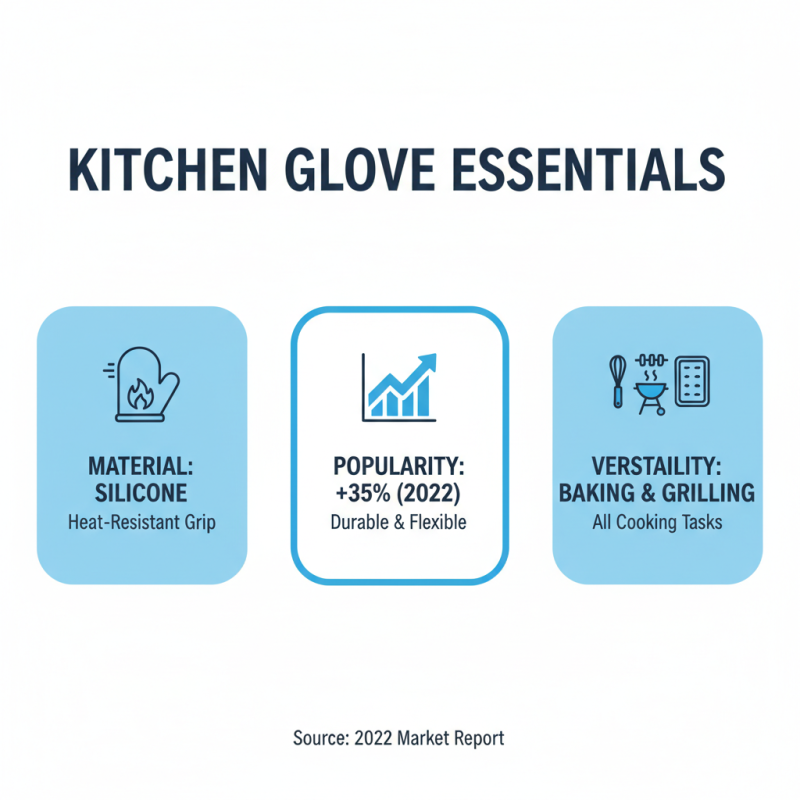
When selecting kitchen gloves, several key features warrant consideration. Material is paramount. Silicone, for instance, provides excellent heat resistance and grip. According to a 2022 market report, silicone gloves have seen a 35% increase in popularity due to their durability and flexibility. This makes them suitable for various cooking tasks, from baking to grill handling.
Next, size and fit matter. Ill-fitting gloves can compromise safety and dexterity. Gloves that are too tight may cause discomfort. Conversely, loose gloves might slip and expose hands to burns or cuts. Almost 30% of users reported issues related to glove fit, highlighting the importance of trying different options before making a decision.
Additionally, ease of cleaning is crucial. Many buyers overlook this aspect. Some materials are stain-resistant, making them easier to maintain. However, others may harbor bacteria if not washed properly. Food safety and hygiene standards expect kitchen tools to be easily sanitized. Regular maintenance of gloves influences their lifespan and performance. Ignoring this can lead to increased replacement costs over time.
Top Manufacturing Trends Influencing Kitchen Glove Designs
The kitchen glove market is undergoing significant changes, driven by evolving consumer preferences and technological advancements. According to a recent market report, global sales of kitchen gloves are expected to reach $4 billion by 2026. This growth is influenced by increasing awareness of hygiene and safety in food preparation.
Innovative materials are emerging as a key trend. Companies are exploring biodegradable options to appeal to environmentally conscious consumers. However, many biodegradable materials struggle to offer the same durability as traditional options. This creates a challenge for manufacturers who must balance ecological considerations with product performance.
Customization is also becoming popular. Buyers want gloves that cater to their unique needs, whether for cooking or baking. Some manufacturers are investing in smart technology, integrating sensors that monitor temperature and grip. Yet, these advancements can raise production costs and affect accessibility for average consumers. The question remains: how can manufacturers innovate while keeping prices affordable?
Comparison of Materials Used in Leading Kitchen Gloves
When choosing kitchen gloves, material plays a vital role in performance and safety. Common materials include silicone, cotton, and neoprene, each offering unique advantages and drawbacks. Silicone gloves are popular due to their heat resistance and flexibility. They can withstand high temperatures, making them suitable for oven use. However, they may lack grip and are not very breathable.
Cotton gloves, on the other hand, provide excellent comfort and dexterity. They are soft, making them easy to wear for extended periods. However, they may not be heat-resistant and can absorb moisture, which compromises their functionality. Neoprene offers a good balance. It is waterproof and has decent heat resistance. But, it may cause sweating, which can be uncomfortable during demanding cooking tasks.
Buyers often overlook durability. A glove that tears easily can compromise safety. Frequent washing can also affect the material integrity. Some materials may fade or lose their protective properties over time. Therefore, careful consideration of material, as well as prospective use, is essential for long-term satisfaction and safety in the kitchen.
Top 10 Kitchen Gloves for Global Buyers in 2026
| Material |
Heat Resistance (°C) |
Water Resistance |
Grip Quality |
Cleaning Ease |
Durability (Months) |
| Silicone |
230 |
Yes |
Excellent |
Easy |
24 |
| Cotton |
100 |
No |
Good |
Moderate |
12 |
| Nitrile |
150 |
Yes |
Very Good |
Easy |
18 |
| Leather |
200 |
No |
Excellent |
Moderate |
36 |
| Aramid Fiber |
300 |
Yes |
Very Good |
Easy |
30 |
| Neoprene |
180 |
Yes |
Good |
Hard |
20 |
| Vinyl |
120 |
No |
Fair |
Easy |
10 |
| Polyester |
140 |
No |
Good |
Moderate |
15 |
| Bamboo |
80 |
No |
Fair |
Easy |
9 |