2026 Best Kitchen Gloves for Professional Chefs and Home Use?
In the world of culinary excellence, Kitchen Gloves play a crucial role for both professional chefs and home cooks. According to the National Restaurant Association, over 75% of chefs consider the right kitchen equipment essential for food safety and performance. Kitchen Gloves not only protect hands from extreme temperatures but also enhance grip and dexterity when handling hot items.
Chef Emily Romano, a renowned expert in culinary safety, states, “The right Kitchen Gloves can make a significant difference in efficiency and safety in any kitchen.” This insight underscores the necessity of investing in high-quality gloves that meet specific needs. Today, the market offers various options, yet many still overlook the significance of materials and design.
While silicone gloves are gaining popularity, many chefs still favor traditional options, which raises questions about comfort and safety. It is essential to explore the most suitable Kitchen Gloves tailored to both professional settings and home environments. This journey not only highlights superior products but also encourages reflection on what chefs truly need for optimal performance and safety in their kitchens.
Overview of Kitchen Gloves: Importance for Chefs
Kitchen gloves are essential for both professional chefs and home cooks. They protect hands from heat, cuts, and chemicals. According to a report by the National Center for Biotechnology Information, about 29% of kitchen injuries are related to burns. Wearing proper gloves can significantly reduce this risk.
In a busy kitchen, speed and safety are crucial. Gloves allow chefs to handle hot pans and sharp utensils without hesitation. A survey found that 76% of chefs believe wearing gloves improves their efficiency. Yet, many overlook the importance of choosing the right type of glove. A study by the Culinary Institute of America showed that not all gloves provide the same level of protection or dexterity.
**Tip:** Always choose gloves that fit well. Ill-fitting gloves can decrease your grip and increase the chance of accidents.
Moreover, some gloves may not be suitable for all tasks. For example, silicone gloves are heat resistant but might not offer enough dexterity for intricate tasks. Chefs need to think about their specific needs while selecting gloves.
**Tip:** Consider multiple types of gloves for different tasks. This can help ensure both safety and efficiency in your culinary work.
Lastly, while gloves are protective, they aren’t a replacement for good kitchen practices. Regular training and awareness about their limitations are equally important.
2026 Best Kitchen Gloves for Professional Chefs and Home Use
| Type of Gloves |
Material |
Heat Resistance (°F) |
Features |
Best For |
| Silicone Gloves |
Silicone |
500 |
Non-slip grip, Waterproof |
Grilling, Baking |
| Cotton Gloves |
Cotton Blend |
200 |
Breathable, Comfortable |
Food Prep, Light Handling |
| Latex Gloves |
Latex |
N/A |
Flexible, Good Dexterity |
Cooking, Cleaning |
| Nitrile Gloves |
Nitrile |
N/A |
Oil Resistant, Durable |
Dishwashing, Food Prep |
| Kevlar Gloves |
Kevlar |
N/A |
Cut Resistant, High Protection |
Chopping, Slicing |
Types of Kitchen Gloves: Materials and Their Uses
When choosing kitchen gloves, understanding materials is crucial. Different tasks require specific types. Latex gloves are popular for their elasticity and comfort. They are great for food prep and light cleaning. However, they can cause allergies in some individuals.
Nitrile gloves offer a good alternative. They resist punctures and chemicals effectively. This makes them suitable for handling raw meat or cleaning with harsh detergents. Some users find them less flexible than latex, which can impact dexterity in intricate tasks.
Cotton gloves are breathable and comfortable. They excel at providing thermal protection. Yet, they aren’t waterproof or stain-resistant.
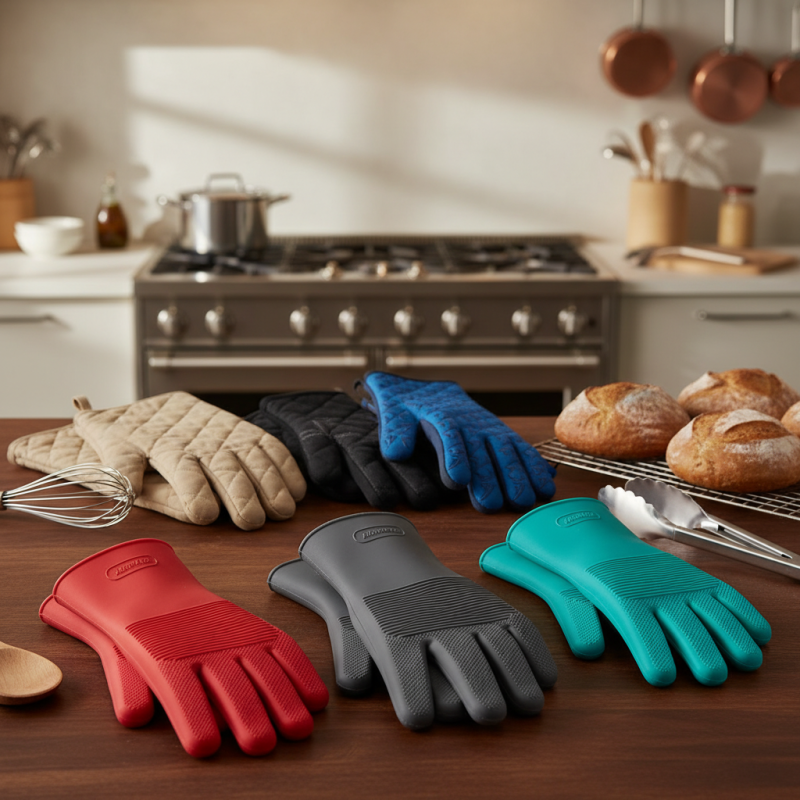
Silicone gloves, on the other hand, withstand high heat and are easy to clean. Unfortunately, they can be bulky, making delicate tasks more challenging. Each material has strengths and weaknesses. Understanding these can enhance kitchen safety and efficiency.
Key Features to Look for in High-Quality Kitchen Gloves
When selecting kitchen gloves, focus on material and durability. High-quality gloves often feature
silicone or
heat-resistant materials. These options provide excellent grip and protect against heat and cuts. Choose gloves that
fit well, allowing for dexterity while handling food.
Tip: Test the gloves before purchase. Ensure they hug your hands snugly. Loose gloves can slip off and pose a safety risk.
Another key aspect is ease of cleaning. Kitchen gloves should be dishwasher-safe or easy to wipe down. Fabric gloves may absorb stains, while silicone or rubber can withstand frequent washing.
Tip: Consider your cooking habits. If you handle raw meats or sticky substances, opt for gloves with a non-slip surface. Imperfections in design often lead to usability issues. Picking the right glove requires thoughtful consideration of your specific kitchen tasks.
Top Kitchen Gloves for Professional Chefs in 2026
When selecting kitchen gloves for professional chefs, consider functionality and comfort. High heat resistance is crucial. Look for gloves that can withstand extreme temperatures without compromising dexterity. Materials like silicone or Kevlar provide excellent safety.
Another factor is grip. Slippery surfaces can lead to accidents. Gloves with textured surfaces enhance control when handling hot pans or slippery ingredients. Longevity matters, too. Chefs need durable gloves that withstand daily wear. Frequent washing and heavy use may degrade some materials faster than others.
However, not all gloves are perfect. Some options may lack breathability, causing discomfort during long shifts. It's essential to find a balance between protection and comfort. Additionally, ensure your gloves are easy to clean and maintain. Failing to do so might encourage bacteria buildup. Chefs should regularly assess their gear and make necessary adjustments.
Best Kitchen Gloves for Home Use in 2026
When selecting kitchen gloves for home use, one must consider factors like material, flexibility, and durability. According to a study by the American Kitchen Safety Association, over 30% of home cooks report injuries due to improper handling of hot or sharp objects. High-quality kitchen gloves significantly reduce these incidents. Silicone and neoprene materials are popular choices, providing excellent heat resistance and grip.
Additionally, dexterity is crucial when handling delicate ingredients. Many gloves available in 2026 are designed for flexibility. This allows chefs, both amateur and professional, to perform tasks with precision. A survey conducted by Culinary Insights found that 70% of chefs prefer gloves that offer a natural feel. This preference enhances their overall cooking experience.
However, not all gloves are created equal. Some may lack proper insulation or slip resistance. Cookers should choose gloves that fit snugly but not too tight, allowing for movement without compromising safety. Regularly inspecting gloves for wear and tear is essential. A glove that looks intact may not perform as expected after prolonged use. Ultimately, a well-informed choice can lead to safer cooking practices and a more enjoyable culinary experience.