Top Knitted Hat Styles for Global Buyers to Consider?
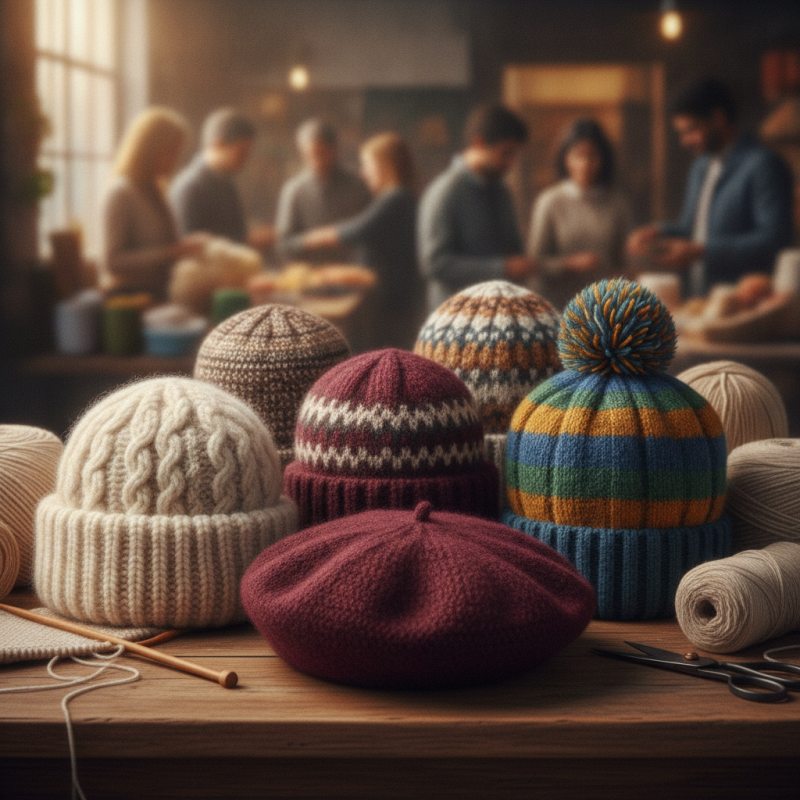
Knitted hats have become a staple accessory for many around the globe. These hats are not just about warmth; they reflect personal style and trends. With various styles available, buyers can find the perfect knitted hat that suits their unique taste.
In recent years, the knitted hat market has grown significantly. Buyers now consider factors like material, design, and functionality. Some prefer classic beanies while others lean towards trendy berets. Each style carries its own charm and appeal.
It’s important to choose wisely when selecting a knitted hat. Consider the fabric used. High-quality yarns often ensure durability and comfort. However, not every hat meets these standards, leading to potential dissatisfaction. As you explore your options, remember to reflect on what truly resonates with your personal style.
Top Knitted Hat Styles for Global Markets: An Overview
Knitted hats have become essential accessories in global fashion markets.
Recent studies indicate that the global knitted hat market is projected to reach
$5.4 billion by 2027, growing at a CAGR of 5.2%.
This growth reflects an increasing demand for stylish yet functional headwear across various demographics.
Different styles appeal to various buyers. The beanie remains a popular choice, often associated
with casual lifestyle. In contrast, pom-pom hats add a playful touch and are favored by younger audiences. Data shows that
63% of millennials prefer versatile styles that can transition from outdoor activities to social gatherings.
This versatility is a significant factor for brands aiming at a wide market.
While many knitted hat styles benefit from trends, some designs face challenges. Oversized hats, for instance,
struggle with appeal in more conservative markets. Attention to cultural preferences is essential. Data suggests that regional differences
significantly impact purchasing decisions, with texture and color preferences varying greatly.
Understanding these nuances can help brands create more targeted offerings.
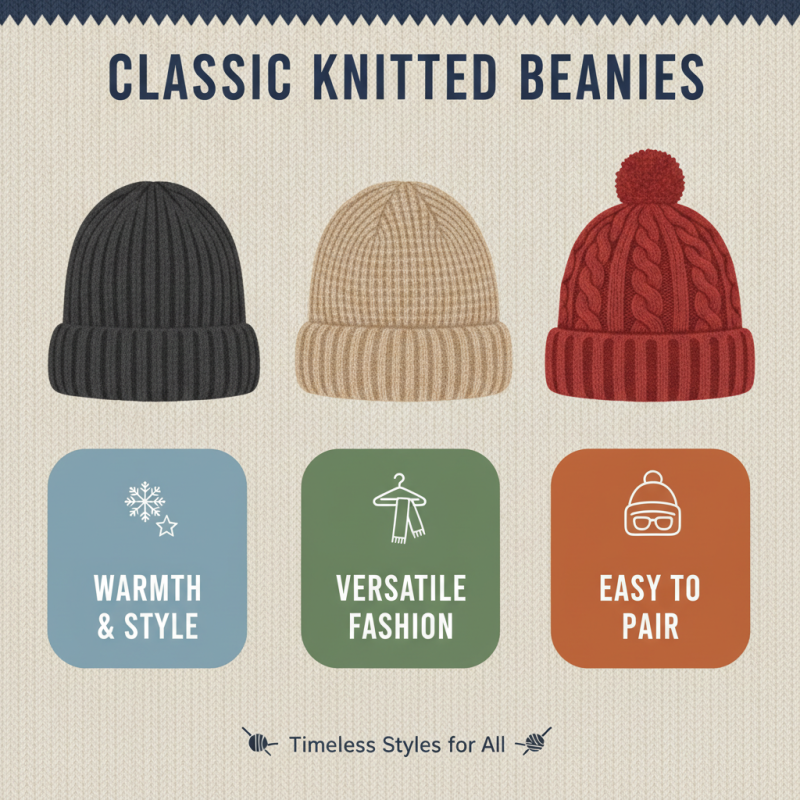
Classic Knitted Beanies: Timeless Styles for All
Knitted beanies are a staple in the world of fashion. They offer warmth and style to individuals of all ages. Classic knitted beanies are not only practical but also versatile. They work well with various outfits, from casual jeans to elegant coats. The simplicity of their design allows them to be paired easily with numerous accessories.
Different fabrics make a big difference. Wool beanies provide excellent insulation, while cotton can offer breathability. Choosing the right material affects comfort and durability. Color choices can greatly influence your overall look. Bold hues stand out, while neutral tones offer subtlety. Yet, finding the perfect hat can be tricky. Sizing is crucial; too tight can be uncomfortable, while too loose may slip off easily.
Reflecting on trends is important too. While some styles may become outdated, the charm of classic beanies remains. Fashion is ever-evolving, yet timeless pieces endure. Many find joy in expressing individuality through these accessories. When selecting a beanie, consider personal style and needs. An ideal choice merges practicality with a touch of flair.
Fashion-Forward Knit Caps: Trends Shaping the Industry
Knit caps have evolved into essential fashion items. They are no longer just for warmth. Today, knit hats represent personal style and cultural expression. Designers are experimenting with vibrant colors, unique patterns, and textured finishes. This shift caters to a broader audience, making knitted hats a versatile accessory.
Trends are constantly changing in the knit cap industry. Some styles embrace minimalism with neutral tones, appealing to those who prefer subtlety. Others feature bold graphics and playful designs, capturing the attention of trendsetters. Sustainable materials are emerging as a priority. Consumers are becoming more aware of environmental impacts. They seek hats that are stylish yet eco-friendly.
However, the variety can be overwhelming. Buyers sometimes struggle to find their perfect match. Trends might mislead them into choosing styles that don't suit their personalities. Feedback from customers shows a desire for more education on knit hat selection. This presents an opportunity for retailers to guide their clients effectively. The knit cap market is dynamic, reflecting both global trends and individual preferences.
Eco-Friendly Knit Hats: Sustainable Materials and Practices
Knit hats have become a stylish essential for many around the globe. Among the rising trends is the eco-friendly knit hat. It focuses on sustainable materials and ethical practices. Using organic cotton or recycled fibers minimizes environmental impact. These materials not only reduce waste but also offer comfort.
When considering eco-friendly options, remember to check the sourcing of the yarn. Some brands disclose their materials, ensuring transparency. Look for hats made from natural dyes. They are less harmful to the planet. Avoid synthetic materials that contribute to microplastic pollution.
Tips for choosing sustainable knit hats:
- Choose hats labeled with certifications. Look for Oeko-Tex or Global Organic Textile Standard.
- Consider local artisans. Supporting them helps reduce transportation emissions.
- Participate in upcycling. Transform old sweaters into unique knit hats.
A thoughtful approach to your hat choices can make a difference. Each purchase holds the power to encourage
better practices in the fashion industry.
Cultural Influences on Knitted Hat Designs Worldwide
Cultural influences play a significant role in the design of knitted hats around the world. For instance, in Peru, traditional chullos feature intricate patterns and bold colors, reflecting the rich heritage of the Andes. According to a market report by Statista, the global knitted hat market was valued at approximately $7 billion in 2022, highlighting an increasing demand for culturally inspired designs.
In Japan, the practice of knitting has melded with local aesthetics. The Japanese approach often includes minimalist designs, emphasizing quality materials and craftsmanship. Reports indicate that the growth rate in Asia-Pacific for knitted items is expected to reach 5% annually. This reflects a rising interest in artisan hats, which tell a story.
European styles, particularly from Scandinavia, showcase practicality with fashion. Many hats integrate wool and features like ear flaps. The Nordic influence is clear and versatile. However, as trends evolve, sometimes authenticity is compromised for market appeal. As buyers navigate these diverse options, understanding cultural significance becomes crucial. Insights into regional craftsmanship add depth to purchasing decisions, encouraging consumers to value tradition alongside modern trends.